Oil fell to its lowest level since 16 October on 2 November after Iran said mediated talks with the US were continuing, lifting airline shares and pushing down government borrowing costs.
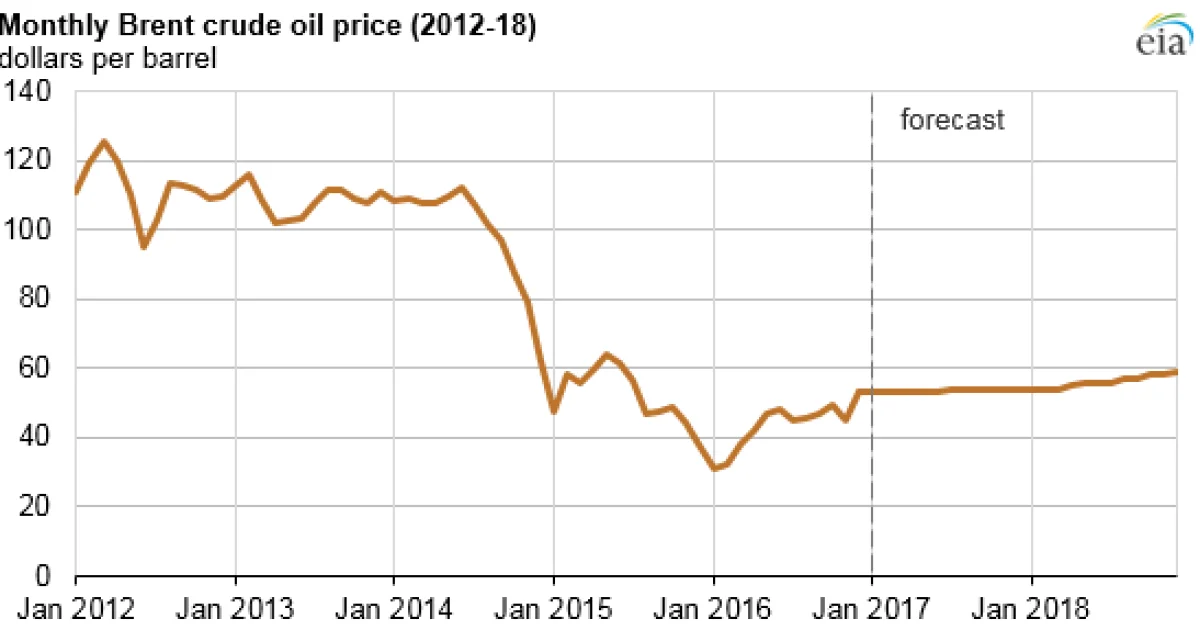
The price of Brent crude, the international benchmark, fell by more than 6.5% on Monday 2 November to as low as $105.55 a barrel, its lowest level since 16 October, according to The Guardian. CNBC also reported a sell-off of more than 7% in crude prices as the United States and Iran were said to be pursuing diplomacy. The drop followed signals from Tehran that contacts with Washington aimed at ending their eight-month war were continuing, and it came a day before the US midterm elections.
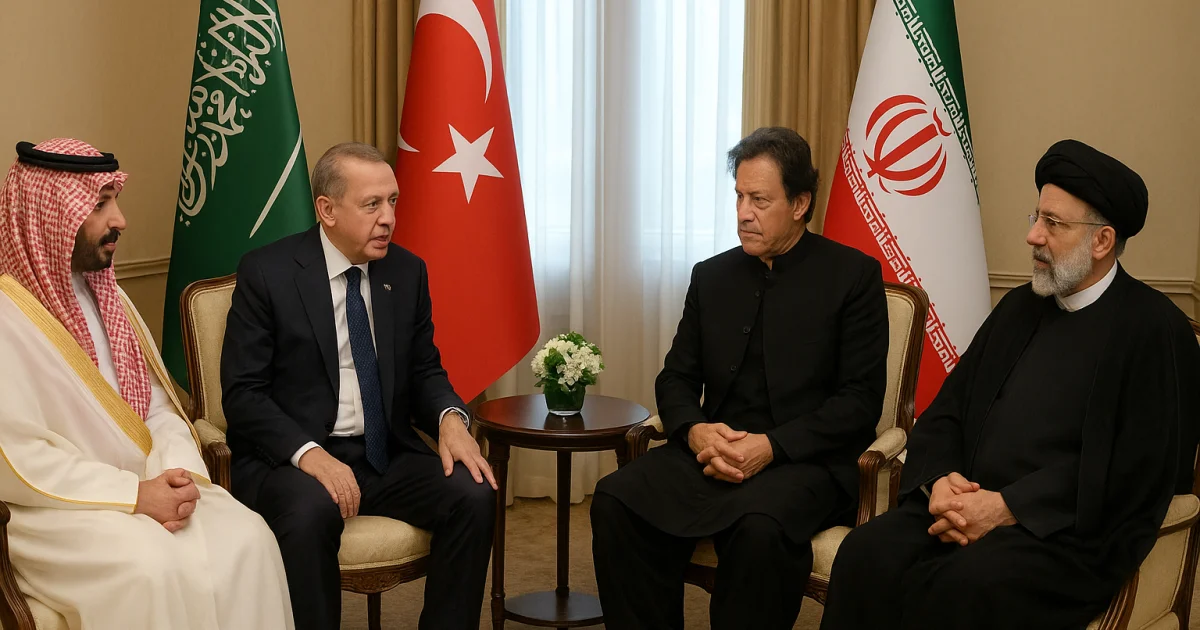
Iranian foreign minister Abbas Araghchi said, according to the state outlet IRNA, that consultations through mediators were very intensive and that Iran had presented its conditions and proposals. Over the weekend, Qatari officials reportedly tried to negotiate the release of more than $6 billion in Iranian assets so that Tehran might allow the Strait of Hormuz to reopen. There were also reports that Iran's supreme leader, Mojtaba Khamenei, had granted powers to his government in the talks. Meanwhile, Donald Trump told voters in Iowa on Sunday that Iran would receive "the hammer" if there was no progress, a reminder that the diplomacy remains fragile.
Markets responded quickly. Shares in British Airways owner IAG rose 4.2% in London and United Airlines gained 7% in New York, while the yield on 10-year UK government bonds fell by about 0.1 percentage point to its lowest since 22 September. The fall fed hopes of some relief from the inflationary pressure gripping the global economy. IG analyst Chris Beauchamp called the news welcome for stock markets that had felt pressured by rising oil, but warned there is still a risk that Trump could make a last move after the midterms. Oil remains well above $100 a barrel, so any lasting relief depends on whether the talks produce a reopening of Hormuz.